
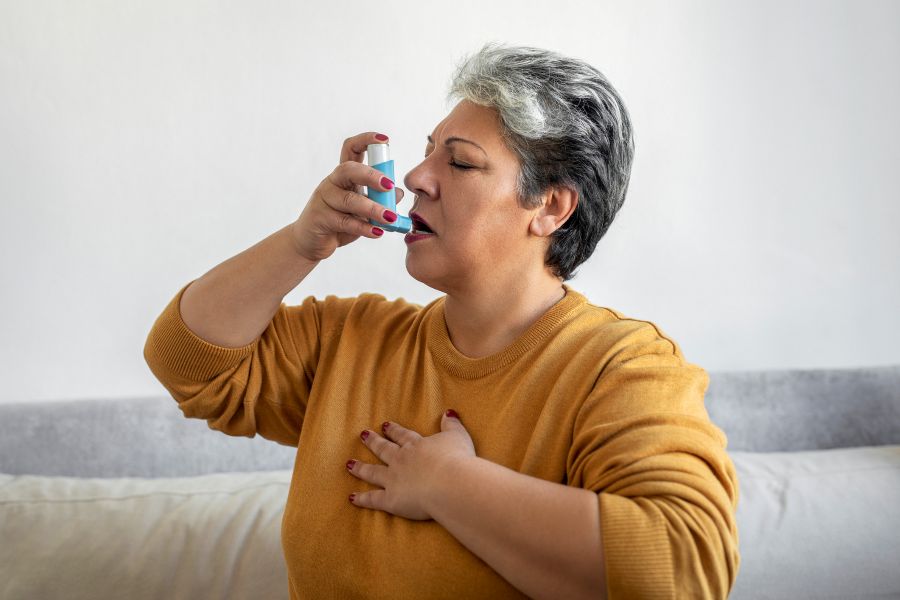
Chronic obstructive pulmonary disease, or COPD, is a long-term lung condition that affects millions of people and can significantly impact daily life. According to Jignasa Desai, a registered respiratory therapist at Northside Hospital Cherokee, education and early recognition are key to helping patients live fuller, more active lives.
“My goal is to break down what COPD is so everybody understands the basics of COPD, its risks and what can be done to support people who are affected by it,” Desai said.
What is COPD?
“COPD stands for Chronic Obstructive Pulmonary Disease,” Desai explained. “Chronic means that it's something that won't go away. It's long-term. Obstructive means that it is partly blocking the airways. Pulmonary is something related to the lungs. And disease means sickness.”
COPD primarily includes two conditions: chronic bronchitis and emphysema. With chronic bronchitis, “the airways get inflamed, they produce excess mucus, so it's difficult for air to pass through those airways, making it harder for patients to breathe.” Emphysema affects the tiny air sacs in the lungs, called alveoli, which “break down, they lose their elasticity, and it makes it very hard for oxygen exchange to happen.”
Signs and symptoms
One of the most common symptoms of COPD is shortness of breath, especially during everyday activities. Patients may notice they can no longer climb stairs or walk distances they once could.
Other symptoms include:
- Chronic cough with mucus
- Wheezing caused by narrowed airways
- Increased mucus production
- Chest tightness or difficulty taking deep breaths
- Frequent respiratory infections
- Weight loss or fatigue in advanced stages
Desai said that, in a very advanced stage of emphysema, the patient’s physical exam will show a barrel chest, when the lungs overfill with air and can’t deflate normally.
Risk factors and causes
Smoking is the leading cause of COPD. “It not only includes active smokers, but also people who are exposed to secondhand smoke,” Desai said.
Environmental pollutants, such as air pollution, dust and chemical fumes, also increase risk.
Certain occupations — including mining, construction, agriculture and manufacturing — may expose workers to lung irritants. A rare inherited condition, alpha-1 antitrypsin deficiency, can also lead to COPD, even in people who have never smoked.
Diagnosis
Diagnosing COPD involves a thorough medical history, physical exam and testing. “The most important test, which is the gold standard for diagnosing COPD, is spirometry,” Desai said. This test measures how much air a person can exhale and how quickly they can exhale it.
Additional tools may include chest X-rays, CT scans and blood tests to assess oxygen and carbon dioxide levels. These results help providers determine disease severity and guide treatment.
Management and treatment
“COPD management is a combination of lifestyle changes, medications, monitoring and follow-up,” Desai said. Smoking cessation is the most critical step to prevent further lung damage. Pulmonary rehabilitation, exercise and good nutrition can improve endurance and quality of life.
Medications may include:
- Short-acting bronchodilators for quick relief
- Long-acting inhalers for daily symptom control
- Combination inhalers with steroids to reduce inflammation
- Oxygen therapy for advanced disease
Desai emphasized patient education as a cornerstone of care. “One of the biggest parts of our job is patient education,” she said, including inhaler technique, breathing strategies and recognizing early signs of flare-ups.
“Always know that you are not alone,” Desai said. “You can always reach out to your health care team, use your support groups, community resources if you need any help or have any questions.”
Through education, support and proactive management, people living with COPD can take meaningful steps to protect their lung health and maintain independence.
LEARN MORE ABOUT PULMONOLOGY SERVICES AT NORTHSIDE.