
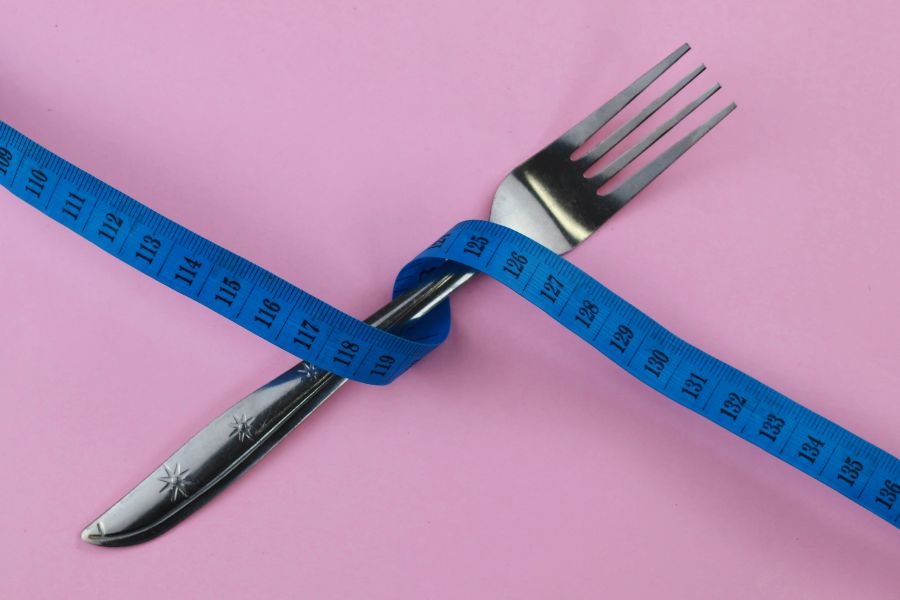
Is one of your New Year’s resolutions to lose weight? Dietitians are often asked about specific diets — especially quick weight-loss plans and fad diets. When it comes to weight loss, it seems everyone is looking for a quick fix. The reality is that there is no quick fix that is both sustainable and good for your health.
Any diet that restricts calories enough to cause rapid weight loss is damaging to the body and unsustainable in the long term. A wide range of fad diets have emerged over the years, including low-carbohydrate, low-fat, high-fat, and high-protein diets, as well as plans that claim to detoxify the body, involve fasting, or fall somewhere in between.
How to spot a fad diet
Does it promote quick and drastic results? Does it cut out entire food groups? Does it seem unsustainable long term?
Fad diets tend to focus on restricting foods and/or eliminating entire food groups, which can lead to nutrient deficiencies and other potentially harmful long-term health consequences. Avoid diets that promise quick weight loss but fail to support overall health. Instead, focus on sustainable eating habits that promote well-being and help prevent health-related problems.
Aim for simple, manageable changes. A healthy diet is centered on lean protein, a variety of fruits and vegetables, whole grains, and adequate hydration, with water as the preferred beverage of choice.
Building sustainable habits for lasting weight loss
For a healthier approach to weight loss, focus on the following evidence-based strategies that support long-term success.
- Portion control: Crucial for weight loss because it helps create a calorie deficit without feeling deprived. Try the Plate Method: use a 9-inch plate and fill half with non-starchy vegetables, one-quarter with lean protein, and one-quarter with complex carbohydrates.
- Whole foods: Aim to eat more whole foods and fewer processed foods. Whole foods are those with a single ingredient in their natural state that haven’t had anything added or removed. For example, choose a piece of fresh fruit instead of a granola bar.
- Fiber: Helps you feel full longer. Increase your intake of non-starchy vegetables, whole fruit, seeds, beans, lentils, and whole grains.
- Healthy fats: Choose small amounts of olives, olive oil, avocado, avocado oil, nuts, and seeds.
- The right kinds of carbohydrates: Carbohydrates are not the enemy; the key is choosing complex carbohydrates. These are long chains of starches and fiber that the body digests slowly, providing sustained energy, stable blood sugar, and increased fullness. Found in whole grains, vegetables, beans, and fruits, complex carbohydrates provide essential vitamins, minerals, and fiber that support digestion and overall health, making them a cornerstone of a balanced diet.
Most importantly, enjoy your food. Try not to think of foods as “good” or “bad.” When you really want dessert or a special treat, take a small serving and truly savor it. Making small, consistent changes — such as swapping sugary drinks for water or eating more vegetables — builds long-term healthy habits that can help you manage your weight over time.
LEARN MORE ABOUT NUTRITION SERVICES AT NORTHSIDE.