
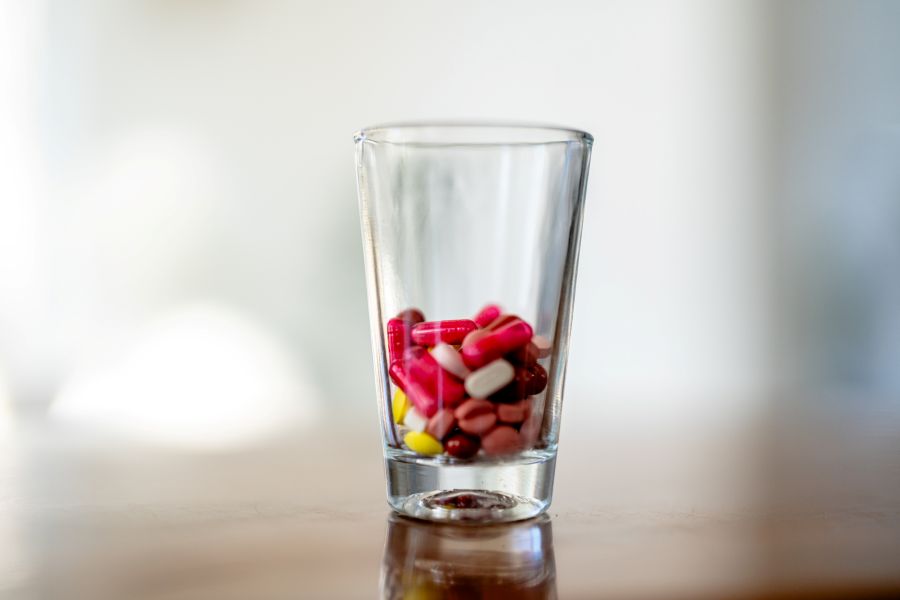
Family medicine physician Dr. Saresh Akmal warns that mixing prescription medications with over-the-counter (OTC) drugs or dietary supplements can carry serious health risks.
“Supplements are not without adverse effects,” she said. “There is a risk of organ injury, such as kidney or liver damage. There can be some serious interactions with home medications.”
Medications vs. supplements: What’s the difference?
Dr. Akmal offers a clear definition: “Medications are defined as a dosage form that contains one or more active ingredients.”
OTC medications are drugs that can be purchased without a prescription, while dietary supplements include vitamins, herbs and minerals.
Approximately 40% to 60% of adults with chronic diseases take supplements, yet only about one-third will tell their physician, according to the American Academy of Family Physicians (AAFP).
Which is safest?
Although supplements may seem “natural,” they are not regulated like prescription drugs.
“In the United States, medications must be FDA approved before they can be sold,” Dr. Akmal explained. The agency reviews clinical trial design, manufacturing conditions, labeling accuracy, and product safety.
Supplements do not require FDA approval, and as result, most manufacturers are not subject to inspection. This will often lead to unreliable ingredient labels, uncertain product quality, and inconsistent concentrations.
Problematic supplements may remain on shelves for years before any action is taken.
Who is most at risk?
Per the AAFP, anyone taking medications or supplements may face interactions, but some groups face a higher risk:
- People on anticoagulants (blood thinners)
- Individuals taking heart, psychiatric, or diabetes medications
- Children
- Pregnant or breastfeeding women
- Adults taking bulk laxatives or HIV medications
“Bottom line is, if you take any medicines and or supplements, please talk to your doctor about that,” Dr. Akmal emphasized.
Common herbal interactions
Herbal products can affect the absorption and metabolism of medications, foods and even other herbs.
Examples include:
- Ginkgo + fish oil: May result in excessive anticoagulation, which increases the risk of bleeding
- St. John’s wort + valerian root: May lead to delirium and agitation
- Tea + milk: May reduce tea’s vascular benefits
Some supplements can be helpful but are not risk-free:
- St. John’s wort: May help mild depression, but can cause GI upset, allergic reactions, dizziness and confusion. Also interacts with numerous medications
- Ginkgo biloba: Used for cognitive support, but increases bleeding risk
- Garlic: Sometimes used for cholesterol, but interacts with blood thinners
“Just because it’s natural doesn’t mean it doesn’t have side effects,” Dr. Akmal said.
Choosing higher-quality supplements
Dr. Akmal noted that independent organizations — such as ConsumerLab, NSF International and U.S. Pharmacopeia — provide seals of quality assurance. These ensure products contain the ingredients listed and meet standards for purity and strength. “They do very extensive testing,” she noted.
What patients should do
Dr. Akmal’s advice for staying safe:
- Know your medications and why you take them.
- Tell your doctor about all supplements, even vitamins or herbal products. Be honest!
- Bring an updated list to medical appointments, especially when seeing multiple providers.
- Prioritize nutrients from food, not pills.
In summary, Dr. Akmal emphasized that “natural does not always mean that it’s good or safe.” Patients should always involve their health care provider before mixing medications and supplements.
Consult your health care provider about what is right for you.
LEARN MORE ABOUT PRIMARY CARE AT NORTHSIDE.