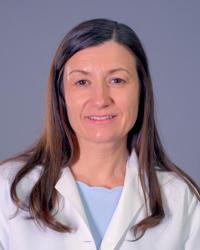

Chronic pain affects millions of Americans and can significantly interfere with daily life, sleep and emotional well-being. While opioids were once commonly prescribed, growing awareness of their risks has shifted the focus toward safer, more sustainable approaches. According to family medicine physician Dr. Tanja Lindsey, the conversation around chronic pain management must now center on alternatives.
Effective pain management often requires a combination of therapies, medications and specialist care, tailored to each patient’s needs.
Nonmedication therapies
Dr. Lindsey said some of the most effective strategies for chronic pain management do not involve medications at all. These approaches focus on improving function, reducing inflammation and addressing the emotional impact of pain.
Common non-medication options include:
- Cold therapy: Reduces blood flow, helps numb pain and slows inflammation. Athletes often use ice baths after intense activity, and similar benefits can apply to chronic pain.
- Heat therapy: Increases blood flow, relaxes muscles and promotes healing. Heating pads or warm baths can be especially helpful for chronic neck or back pain.
- Exercise and movement: “I do think that movement is very important,” Dr. Lindsey said. “If you stop moving because of the pain, I actually think that the pain will even get worse.” Low-impact activities such as walking or water aerobics can build strength, reduce fatigue and improve sleep.
- Massage therapy: Helps relax muscles, relieve stress and reduce anxiety. “I think that stress, anxiety and pain are all connected,” she said.
- Physical therapy: Targets the root cause of pain through guided movement, strengthening and at-home exercises.
- Occupational therapy: Helps patients modify daily activities and environments to reduce pain and improve independence.
- TENS (transcutaneous electrical nerve stimulation): Uses electrical impulses to block pain signals and trigger endorphin release. Dr. Lindsey recommends discussing this option with a physical therapist.
- Behavioral and mental health therapy: Addresses how thoughts and emotions influence pain perception. “Behavioral specialists can help patients think differently about pain,” she said. “And this can absolutely help how you respond to different therapies.”
Medication options without opioids
In addition to therapies, several non-opioid medications may help manage chronic pain when used appropriately and under medical guidance.
Common medication options include:
- Acetaminophen (Tylenol): Blocks substances involved in pain signaling. Dr. Lindsey cautions that it must be taken at proper doses due to liver risks and should never be combined with alcohol.
- NSAIDs: Medications such as ibuprofen (Advil, Motrin) or naproxen (Aleve) reduce inflammation and pain but may increase the risk of stomach bleeding if not used correctly.
- Gabapentin or pregabalin: Originally developed for seizures, these medications alter how nerves send pain signals. Dosing is typically increased slowly to minimize side effects such as dizziness or drowsiness.
- Antidepressants: Medications such as duloxetine (Cymbalta), which is FDA-approved for chronic pain, can help balance neurotransmitters involved in pain perception. “Patients have wonderful results,” Dr. Lindsey said.
- Topical treatments: Lidocaine patches and diclofenac (Voltaren) gel can provide localized pain relief with fewer systemic side effects.
When to involve a pain specialist
When conservative treatments are not enough, pain specialists may recommend interventional options such as nerve blocks, injections, radiofrequency ablation or spinal cord stimulators. These approaches aim to block pain signals and reduce the need for daily medications.
A team-based plan for long-term relief
Dr. Lindsey stressed that chronic pain care should never rely on opioids alone.
“I don’t think that we are still in the times where we should only say, yeah, let’s refill these opioids and you keep on going,” she said. Instead, she encourages a comprehensive, individualized plan that combines therapies, medications and specialist care to improve quality of life.
LEARN MORE ABOUT PRIMARY CARE AT NORTHSIDE.