Lung cancer care has changed in powerful ways over the past two decades. For patients, that means more treatment options, less pain, shorter hospital stays and better chances of long-term survival. Today’s approach brings together robotic surgery, chemotherapy, immunotherapy and advanced imaging to treat cancer more precisely and more gently than ever before.
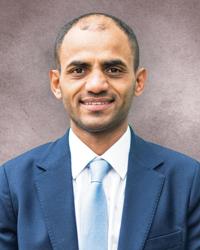
Dr. Ammar Asban, a thoracic surgeon with Northside Thoracic Surgery, said the goal is always to improve the patient experience.
“We all focus on patient outcomes, especially length of stay, post-op pain and complications. And this is where the robot really gets the advantage of.”
Finding cancer earlier and more accurately
Many lung cancers are now found when they are still small, thanks to screening and improved imaging. But small nodules can be hard to reach with traditional tools. Robotic bronchoscopy has made it easier to find and mark these spots before surgery.
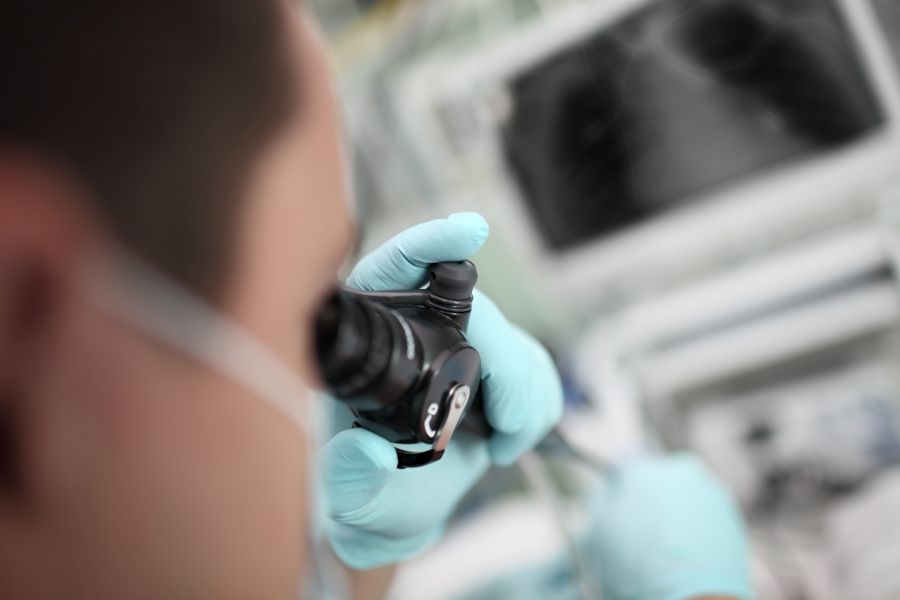
Using robotic bronchoscopy, doctors guide a tiny camera through the airways and place dye next to a suspicious area.
“We inject an ICG dye to increase our accuracy and localization of 97%,” Dr. Asban said. “And if you combine Ion with intraoperative CT scan … the accuracy is up to 100%.”
For patients, this means fewer procedures and less waiting. In many cases, diagnosis, marking and surgery can all happen in one visit, reducing stress and speeding treatment.
Smaller incisions, faster recovery
When surgery is needed, robotic technology allows surgeons to remove lung tumors through small incisions instead of large chest openings. The robot gives doctors a magnified, three-dimensional view and highly flexible instruments that move with exceptional precision.
These tools help surgeons remove cancer while protecting healthy lung tissue. Robotic surgery also allows more thorough lymph node removal, which helps doctors determine whether cancer has spread and what additional treatment is needed.
Patients feel the difference.
“Robotic patients have a shorter length of stay and a lower pain score. It’s only four small incisions,” Dr. Asban said.
More patients can now have surgery
One of the most important changes in lung cancer care is the rise of immunotherapy and targeted drug treatments. These therapies help the body fight cancer and can shrink tumors before surgery.
“The recent advances in molecular testing, immunotherapy and targeted therapy definitely improve our lung cancer patient survivals,” Dr. Asban said. As a result, “a lot of surgical candidates now, stage three and four, that previously went to definitive chemo or radiotherapy, now could become potentially a surgical candidate.”
For patients, this means hope where there once was little and the possibility of removing cancer that used to be considered inoperable.
Care from a whole team
Lung cancer treatment is never just surgery or medication alone. It is guided by a team that includes pulmonologists, medical oncologists, radiation oncologists, radiologists, anesthesiologists, nurses and advanced practice providers.
Dr. Asban stressed that strong teamwork is essential.
“Thoracic surgery wouldn’t achieve an excellent outcome without the collaboration with our colleague from pulmonary oncology … radiation oncology … our anesthesia … our nursing staff … and then our team here in the clinic.”
A future focused on patients
With new robotic systems, artificial intelligence and continued advances in cancer drugs, lung cancer care is becoming more personalized and more effective. For patients, the future means more options, safer surgery and better chances of living longer — and living better — after a lung cancer diagnosis.
LEARN MORE ABOUT THORACIC SURGERY AT NORTHSIDE.